
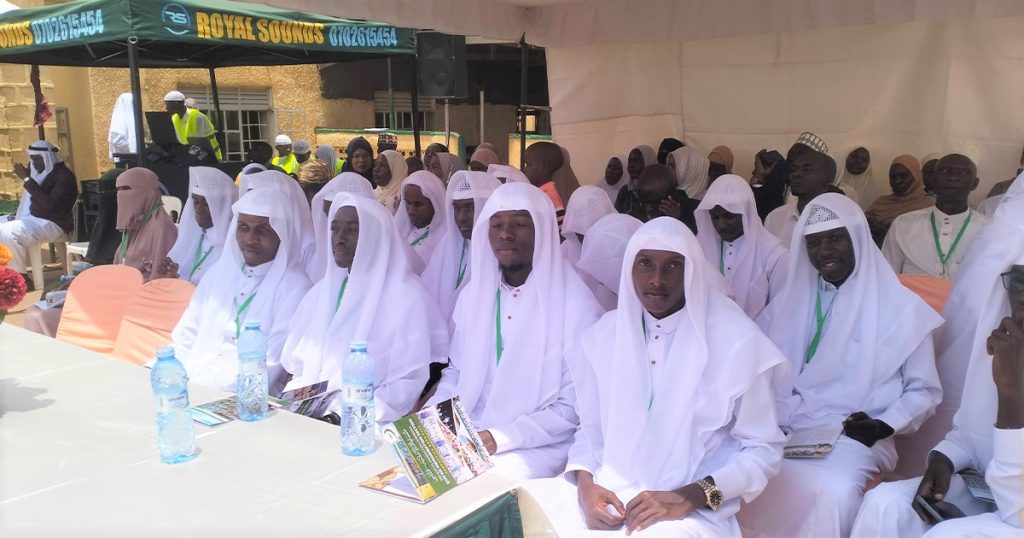
Muslims have been urged to practise the teachings of the Holy Qur’an in their daily lives as a way of nurturing righteous character and strengthening faith.
The call was made by His Eminence Dr. Sheikh Hafidh Muhammad Harunah Bukenya, the 2nd Deputy Mufti, who represented His Eminence Dr. Sheikh Shaban Ramadhan Mubaje at a colourful ceremony marking the graduation of 18 young Muslims who successfully memorized the entire Holy Qur’an.
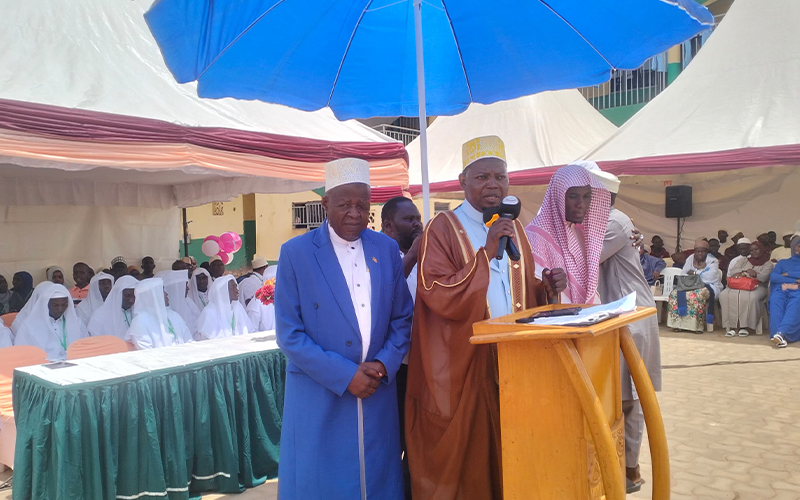
The graduates completed their studies under the Qur’an Memorization Section of Bilal Islamic Schools in Bwaise, Kawempe Division, Kampala Capital City. The well-attended ceremony, witnessed by parents and well-wishers, was held at the school grounds on Sunday, April 2026.
In his remarks, Dr. Sheikh Bukenya took guests through a brief history of over 200 years of Islam in Uganda, explaining how Muslim faithful have passed on the teachings of the Holy Qur’an from one generation to another.
“Time reached when there was a general decline in the appropriate methods of teaching of the Holy Qur’an within the Muslim community,” Sheikh Bukenya narrated. “It indeed reached a point when a Muslim would recite a Qur’anic verse in his or her own native dialect, leading to the loss of its original texts and meanings, and in the end it becomes merely a semblance of the Holy Qur’an,” he said.
The Mufti recounted that the situation was later restored through tremendous efforts spearheaded by Bugembe Islamic Institute when it opened the first Holy Qur’an Memorization Centre (Tahafidhu). He noted that he was among its pioneer students who dedicated their lives to committing the Holy text to memory.
He added that this initiative replaced earlier individual efforts by some senior Sheikhs, who had tried to help a few pupils memorize the Qur’an from their homes, though these efforts did not largely materialize.
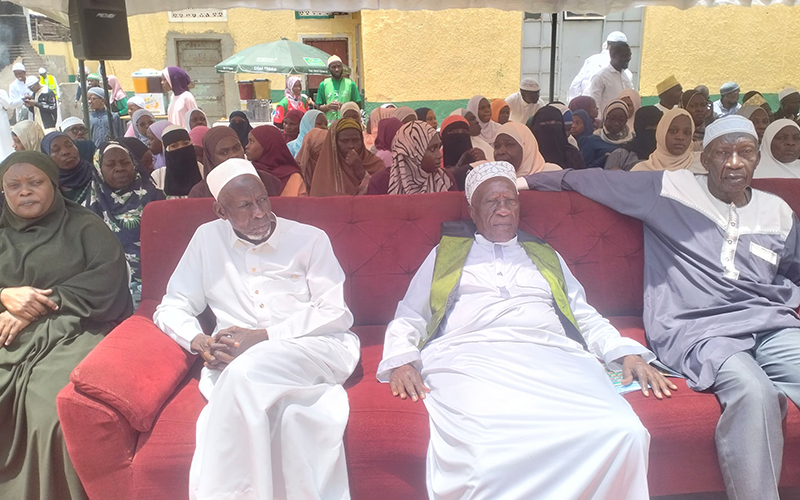
He further noted that Ugandan Muslims are now on the right path, appreciating the importance of properly learning the Holy Qur’an for spiritual growth. This has led to the establishment of many Qur’an memorization centres across the country.
He urged Muslim parents to continue encouraging their children to memorize the Holy Qur’an as a way of instilling good morals, noting that this would help them grow into God-conscious and upright citizens.
He concluded by advising the graduates to live as role models among their age mates in their communities. “So practise righteous living by putting into practice what you’ve learnt at the centre,” he advised.
Prior to the Mufti’s remarks, Sheikh Muhammad Kamoga, the Principal of Bilal Islamic Schools (which comprises both primary and secondary sections), spoke on behalf of the administration and founders. He shared a brief history of the Qur’an memorization centre, noting that the idea was conceived in 2011.
He also highlighted key achievements, including one of their former students, Sheikh Abdallah Sajid Mutyaba, who won a Holy Qur’an competition held in the holy city of Makkah, Saudi Arabia, a few years ago. He has since become an international adjudicator of Qur’an competitions.
On his part, Sheikh Ibrahim Muwayi, Head of the Qur’an Memorization Section, presented a five-page detailed report outlining activities, achievements, and challenges since the centre’s establishment. He later presented the list of outstanding graduates, with Sheikh Mukeba Abdul-Hamid from Iganga emerging as the best performer, while Sheikhat Naluyinda Sumayiya was the only female graduate.
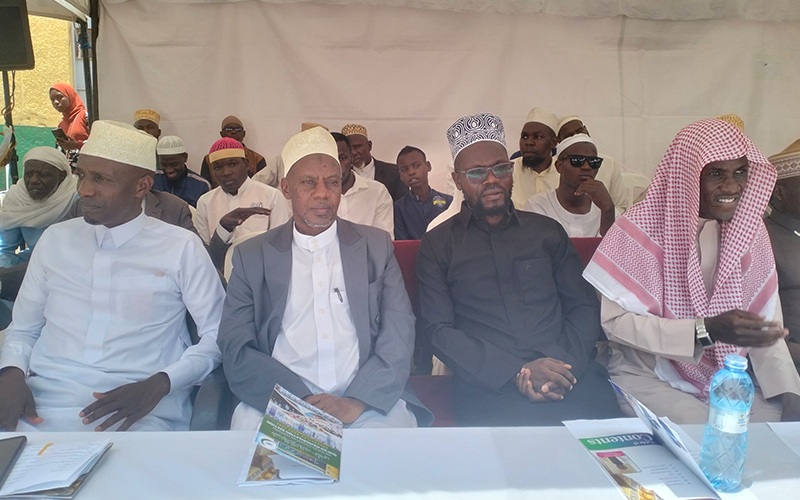
In attendance were prominent Muslim leaders, including Sheikh Hamid Sserwadda Busungu, the Kampala Regional Assistant to the Mufti, and Hon. Haj Erias Luyimbaazi Nalukoola, Member of Parliament for Kawempe North Constituency, among others.